Dialectical Behavior Therapy in Philadelphia & Online
For adolescents, young adults, adults, and families experiencing emotional intensity & anxiety
Dialectical Behavior Therapy (DBT) is a core part of my approach. It offers practical, skills-based support for navigating anxiety, relationship stress, emotional overwhelm, and patterns that feel difficult to change.
I completed formal training in DBT through the Treatment Implementation Collaborative, and I integrate these evidence-based skills into therapy in a way that is individualized, collaborative, and compassionate. In my work, DBT is not just a set of techniques—it's a way of helping you understand your emotional world with more clarity, flexibility, and self-trust.
Many of the people I work with feel deeply sensitive to the world around them and may experience emotions intensely. At times, this can show up as shutdown, impulsivity, self-criticism, or relationship challenges. DBT offers a way to slow down, notice what is happening, and learn new ways of responding with greater awareness and steadiness.
Who I Work With
I work with teens, young adults, adults, and families who are navigating emotional intensity, anxiety, depression, identity or gender-related distress, and challenges in relationships or self-esteem.
Many clients also experience patterns related to Borderline Personality Disorder (BPD) or BPD traits, including intense emotions, fear of abandonment, difficulty maintaining a stable sense of self, and feeling “too much” or “not enough” at the same time.
Some clients come in with a diagnosis. Others simply recognize patterns that feel painful, confusing, or hard to manage. There is no “right way” to arrive here.
My approach is both structured and flexible. Some sessions may focus more on practical skills and emotion regulation, while others create space for self-understanding and exploring deeper emotional patterns.
Areas we might focus on:
Noticing and naming emotions without judgment
Building tools for distress tolerance and emotional regulation
Understanding relationship patterns
Strengthening self-trust and reducing self-criticism
Creating more stability and steadiness in daily life
I often integrate mindfulness, reflection, and simple, real-life examples to make these skills feel more approachable and easier to apply outside of sessions.
What Sessions Look Like
My Approach
While DBT is structured and skills-based, I also take a psychologically grounded, whole-person approach because I believe we are more than symptoms, labels, or diagnoses.
Counseling can offer space to explore the full complexity of who you are — including your emotional and physical experience, your relationships, your history, and the broader context of your life. In our work together, we won’t only focus on which skills to use, but also on what your emotions might be communicating, where patterns come from, and how different experiences may continue to shape the way you relate to yourself and others.
This allows us to work with both what you’re feeling in the moment and the deeper patterns underneath it, while making space for all parts of yourself with curiosity and compassion.

You’re Not “Too Much”
Many people I work with have spent a long time feeling like they are “too sensitive,” “too emotional,” or like their reactions are somehow bigger than they should be.
DBT can help shift the focus from self-judgment toward understanding. The goal is not to get rid of emotions, but to relate to them differently so they feel less overwhelming and more workable.
Change Is Possible
Over time, clients often notice:
More emotional steadiness
Less reactivity in relationships
Greater self-awareness
Stronger self-trust
Increased ability to pause before reacting
A more compassionate inner voice
The goal is not perfection — it’s a more connected relationship with yourself.

Ready to Build a Life Worth Living?
DBT gave us a roadmap — and you don't have to walk it alone.
Whether you're an adult navigating emotional overwhelm or a teen still figuring out how to manage the intensity of everyday life, DBT offers real, practical tools that actually work. In our individual therapy sessions, we'll move through the core skills of DBT at a pace that feels right for you — building distress tolerance, emotional regulation, mindfulness, and healthier relationships one step at a time.
You don't have to have it all figured out to reach out. Wherever you're starting from, you're welcome here.
Request a free consultation below.

Parents & Families
Parenting a struggling adolescent can feel isolating, confusing, and overwhelming — especially when you're not sure how to help, whether your child is dealing with anxiety, withdrawal, conflict at home, or questions of gender. You don't have to figure it out alone.

Understanding Sensitivity
Ever been told you're "too sensitive" or "too much"? You might be a highly sensitive person — and that's not a flaw to outgrow. Explore what it means to be an HSP and how counseling can help you feel more at home in yourself.
Now Accepting New Clients
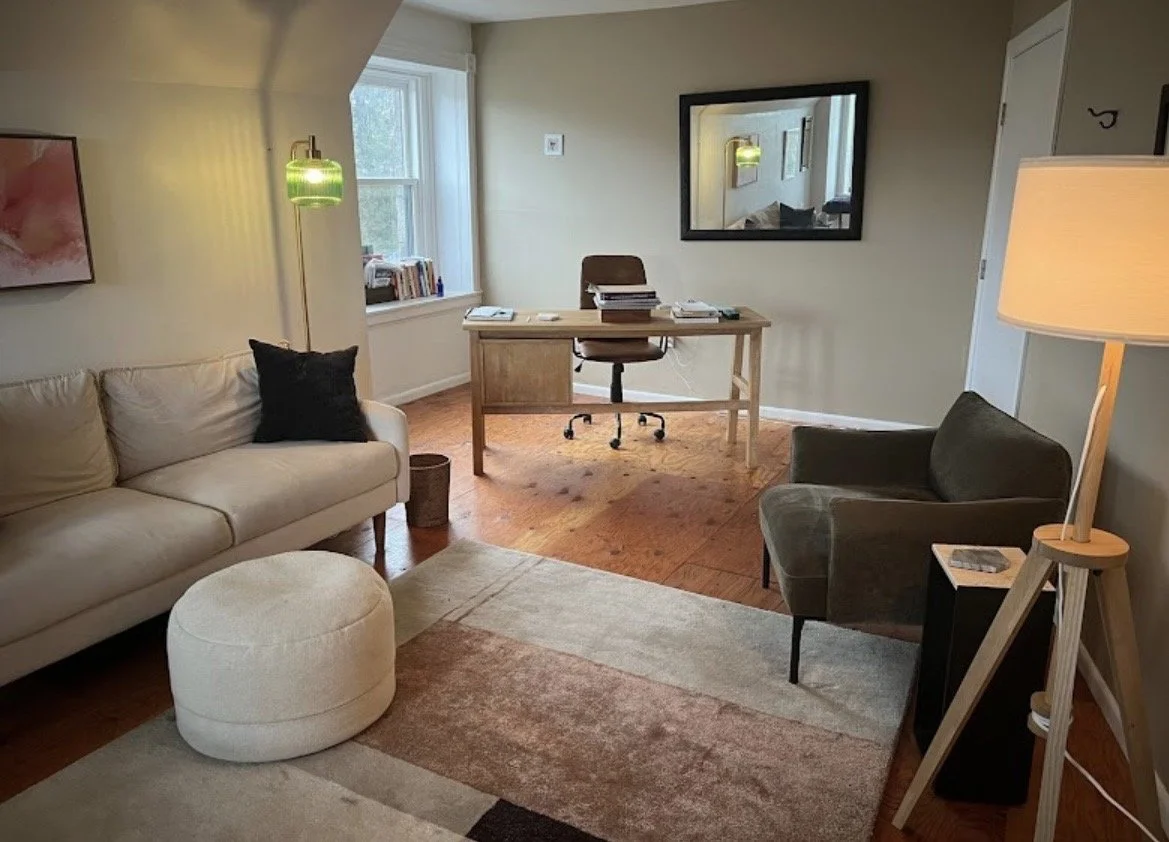
I'm delighted to offer in-person sessions in the Germantown neighborhood of Philadelphia, with telehealth always available.